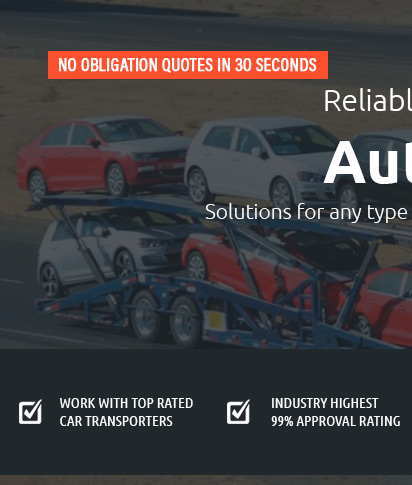
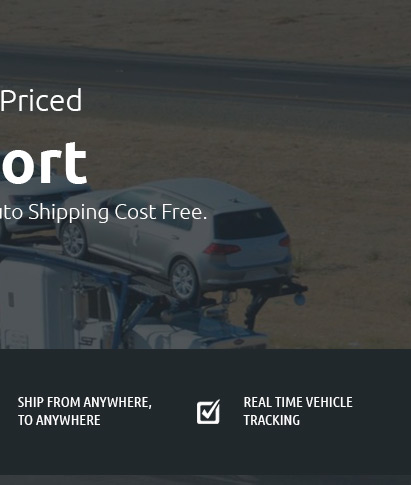
vehicle transport in modern cities and long-distance corridors
Overview
Moving vehicles isn’t just about cars on highways; it spans buses, freight trucks, ferries, and rail auto carriers. Commuters rely on reliable timetables, while shippers plan capacity weeks ahead. A family relocating Chicago to Seattle weighs drive time against a carrier; across the Channel, roll-on/roll-off decks speed vans; during Mumbai’s monsoon, schedules flex around flooding.
Modes and choices
Door-to-door haulers offer open or enclosed trailers; ports use roll-on/roll-off; rail moves fleets on bi-level racks. Car-share fleets need repositioning, and EVs add constraints like state-of-charge rules and battery tie-downs. Regulations, insurance, and pickup windows shape the real cost.
- Time: Transit depends on route density, terminals, and weather.
- Cost: Distance, access fees, and enclosed protection raise quotes.
- Risk: Loading damage, storms, and paperwork errors cause delays.
- Preparation: photos, tire pressure, quarter tank, charger packed.
Real-world examples
Snowbird moves from Toronto to Florida use open carriers; it’s cheaper, but road grime and salt mean a quick rinse at delivery.
Practical tip
Compare two carriers and one broker, verify licensing, confirm windows, and specify who holds liability at each handoff.